
Moisture, Damage, and Repairs
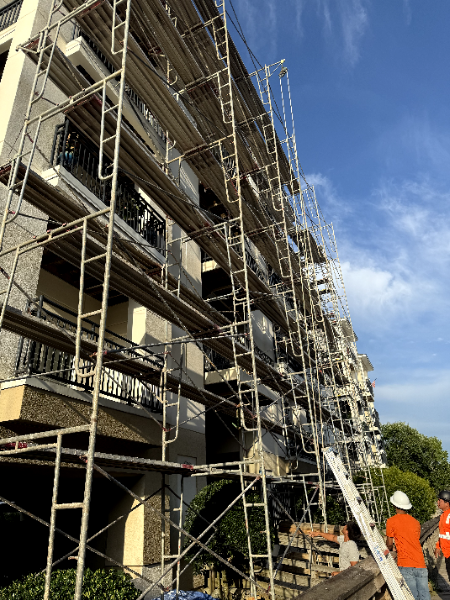
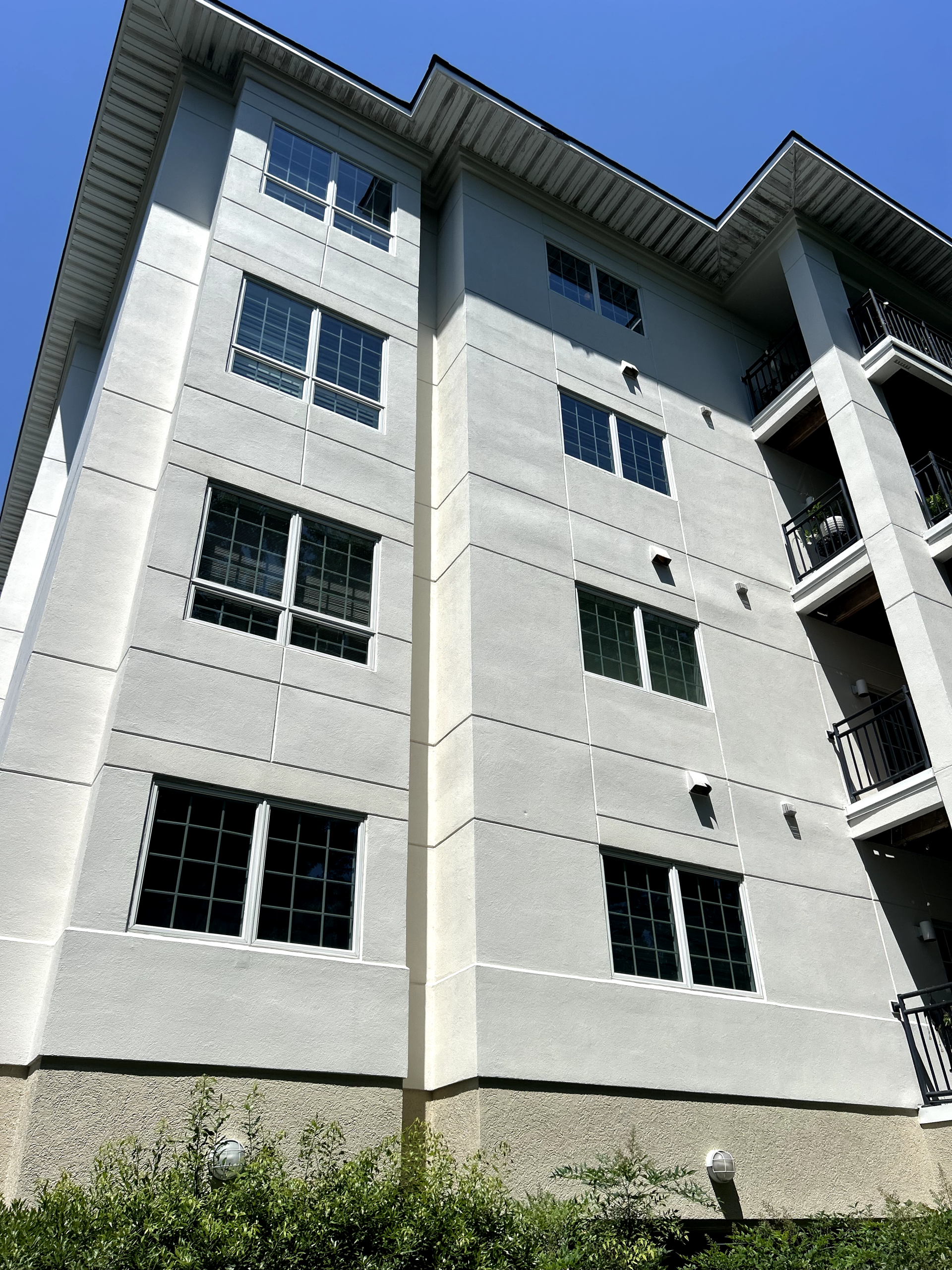
Moisture is the most serious threat to an EIFS-clad home, and Modern Wall Systems can help homeowners, property managers and owners in Hampton Roads find, document, and repair that damage before it turns into structural rot or mold.
How moisture gets into EIFS
- Water typically enters at joints around windows, doors, decks, roofs, chimneys, and where EIFS meets other materials if flashing or sealant is missing or failed.
- Once behind the EIFS, moisture can become trapped against wood framing and sheathing, causing mold growth, decay, and soft or spongy wall areas over time.
Common damage Modern Wall Systems sees
- Visible signs include cracking, bulging, staining, peeling paint, and musty odors indoors, which often indicate hidden water intrusion and substrate damage.
- Prolonged leaks can lead to rotted sheathing, deteriorated framing, wet insulation, and in severe cases structural and air-quality problems that impact appraisals and insurance.
Professional inspection and testing
- A proper EIFS moisture inspection uses tools like moisture meters and probe testing to map out wet areas, especially at high-risk transitions and penetrations.
- Modern Wall Systems provides detailed written reports that document conditions for homeowners, insurers, realtors, and lenders, which many insurance companies now require.
Repair approach and scope
- Effective repair starts with removing damaged EIFS sections, checking the underlying sheathing, framing, and insulation, and replacing any compromised materials before reinstalling the system.
- Depending on the extent of damage, solutions range from targeted localized repairs to full EIFS removal and replacement, always with updated flashing, sealants, and drainage details.
Case Study
Project Overview
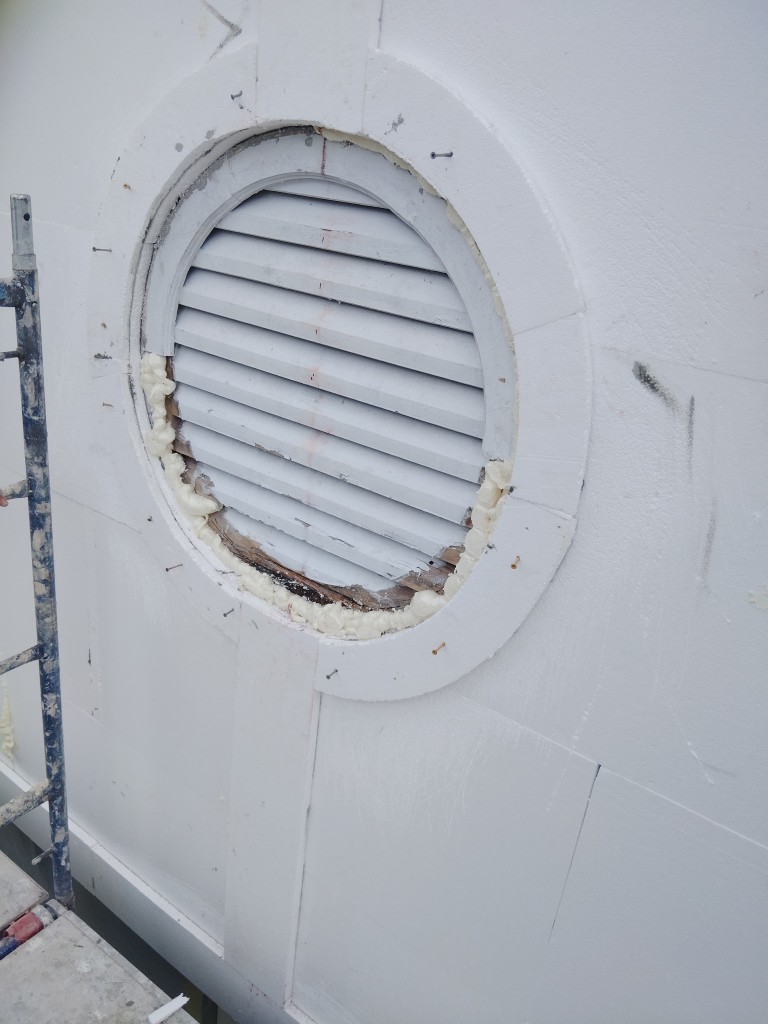
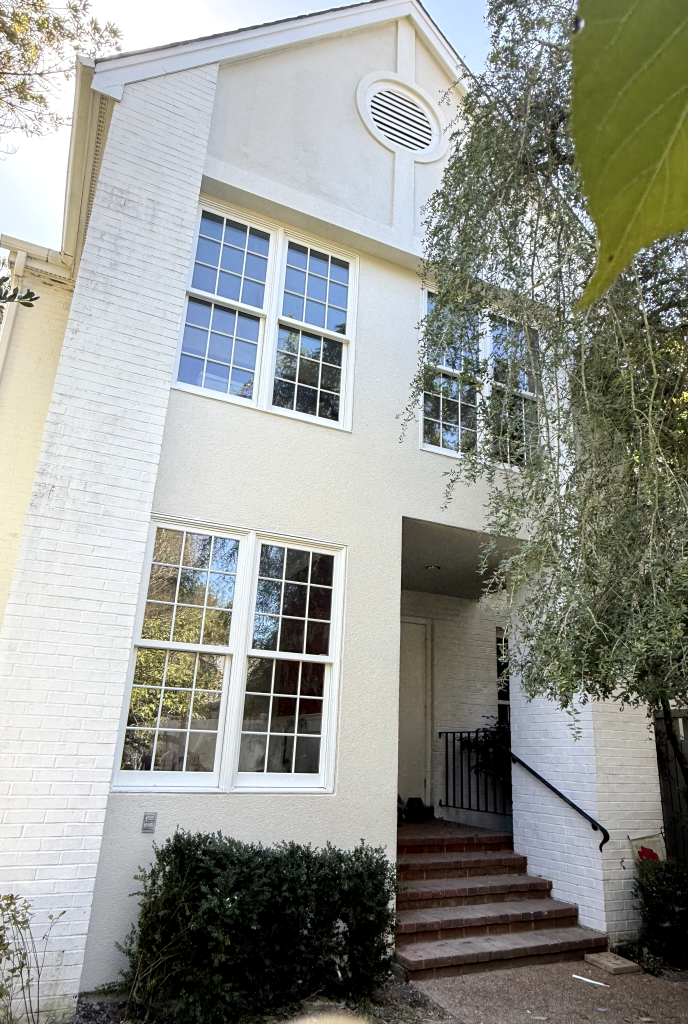
- Problem: A condo owner with an Exterior Insulation and Finish System (EIFS) exhibited significant damage caused by water intrusion due to missing or deteriorated sealants, improper detailing around joints and openings, and a lack of a moisture management system.
- Solution: The damaged EIFS wall was repaired, and a moisture-managed EIFS system with a waterproof substrate was installed to prevent future water infiltration.
Background
The building in question was constructed in the 1990s and used a barrier EIFS system. Over time, improperly maintained sealants at windows, doors, and expansion joints failed, allowing water to penetrate the EIFS. The lack of a drainage plane behind the system exacerbated the problem, causing moisture to become trapped, leading to:
- Mold and mildew growth.
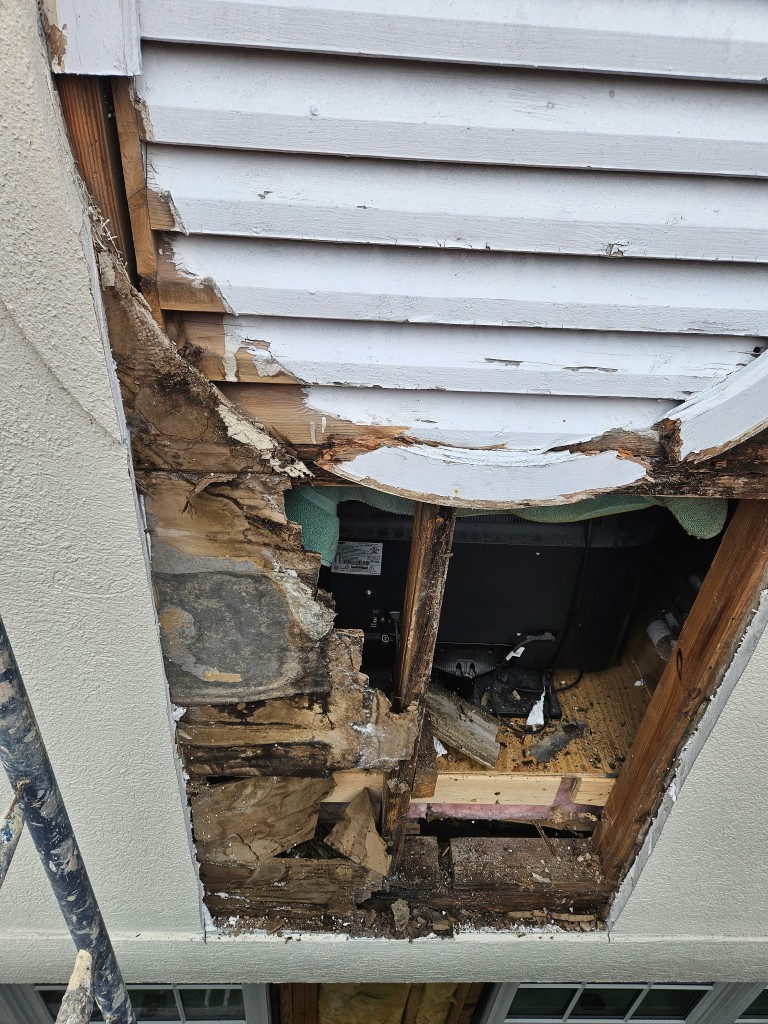
- Deterioration of the substrate (OSB sheathing).
- Delamination of the finish coat.
- Cracks and bulging in the EIFS.
Inspection and Damage Assessment
A thorough inspection was carried out to assess the extent of the damage:
- Visual Inspection:
- Cracks, bulges, and discoloration on the EIFS surface.
- Missing or deteriorated sealants around windows and doors.
- Moisture Testing:
- Moisture probes and infrared thermography revealed high moisture content in several areas.
- Substrate Condition:
- Small sections of the EIFS were removed to inspect the substrate, revealing rotted OSB (Oriented Strand Board) and mold.
- Flashing Inspection:
- Flashing around windows and rooflines was found to be improperly installed or missing entirely.
Repair and Replacement Plan
The goal was to repair the damaged EIFS wall and replace it with a modern, moisture-managed EIFS system that incorporates a drainage plane and a waterproof substrate. The plan included the following steps:
Step 1: Remove Damaged EIFS
- The damaged EIFS was carefully removed down to the substrate.
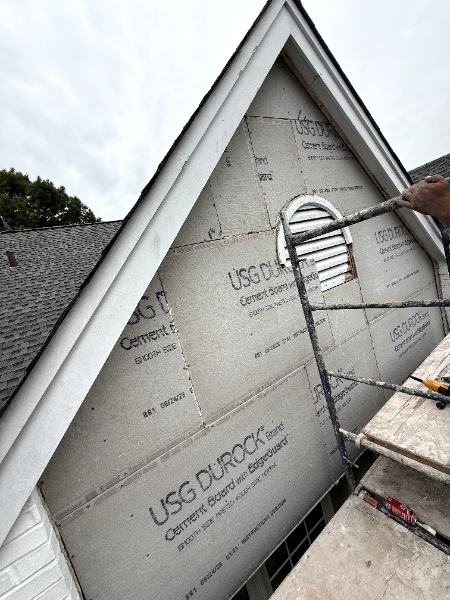
- The compromised OSB sheathing was torn out and replaced with a waterproof substrate, such as cement board (e.g., PermaBase) or a coated glass mat gypsum product (e.g., DensGlass).
- Rotted framing behind the substrate was repaired or replaced.
Step 2: Install a Moisture-Managed EIFS System
A modern moisture-managed EIFS system was recommended, incorporating a drainage plane to prevent water from becoming trapped behind the cladding.
Components of the New EIFS System:
- Waterproof Substrate:
- A cementitious or fiberglass mat sheathing with a water-resistant coating was installed over the framing.
- All joints were sealed with a waterproof tape or liquid-applied membrane.
- Water-Resistive Barrier (WRB):
- A vapor-permeable, liquid-applied WRB was applied over the substrate to act as a secondary water barrier.
- Drainage Plane:
- A grooved or mesh layer was installed between the WRB and the insulation board to allow water to drain downward and exit through weep screeds.
- Insulation Board:
- Expanded Polystyrene (EPS) insulation board was adhered to the WRB using vertical ribbons of adhesive to maintain the drainage channels.
- Base Coat with Embedded Mesh:
- A polymer-modified base coat with fiberglass mesh was applied for reinforcement and impact resistance.
- Finish Coat:
- A textured, acrylic-based finish coat was applied for aesthetics and additional weather resistance.
Step 3: Address Critical Detailing
- Sealant Replacement:
- All joints around windows, doors, expansion joints, and penetrations were sealed with a high-quality, elastomeric sealant compatible with EIFS.
- Flashing Installation:
- Proper flashing was installed around windows, doors, and rooflines to direct water away from the system.
- Weep Screeds:
- Weep screeds were installed at the bottom of the EIFS to allow water to drain out of the system.
Step 4: Quality Assurance
- Moisture Testing:
- The system was tested to ensure there was no trapped moisture.
- Adhesion Testing:
- The insulation board and base coat were tested for proper adhesion to ensure durability.
- Sealant Inspection:
- All sealant joints were inspected to confirm they were properly applied and cured.
Outcome
The repair and replacement of the EIFS system resulted in:
- Elimination of Water Intrusion:
- The new moisture-managed EIFS system with a drainage plane and waterproof substrate ensured that any water entering the system would safely drain out, preventing future damage.
- Improved Durability:
- The use of a cement board substrate and a high-quality WRB enhanced the system’s resistance to moisture and mold.
- Aesthetic Restoration:
- The new finish coat restored the building’s appearance, with the textured coat matching the original design.
- Long-Term Protection:
- Proper detailing, flashing, and sealant application significantly reduced the risk of future water infiltration.
Lessons Learned
- Sealant Maintenance:
- Regular inspection and maintenance of sealants at critical points (e.g., windows, doors, joints) are essential for preventing water intrusion.
- Drainage System:
- A moisture-managed EIFS system with a drainage plane is far more resilient than traditional barrier EIFS systems.
- Substrate Choice:
- Using a waterproof, mold-resistant substrate (like DensGlass or cement board) can significantly improve the system’s longevity.
- Professional Installation:
- Proper installation of EIFS components, flashing, and sealants is critical for long-term performance.