
Safe cleaning methods for EIFS and why pressure washing is a bad idea.
Exterior Insulation and Finish System (EIFS) is a delicate cladding material made of insulation board, a weather-resistant base coat, and a textured finish coat. Cleaning EIFS requires special care due to its vulnerability to damage. Here’s a guide on safe cleaning methods and why pressure washing is not recommended:
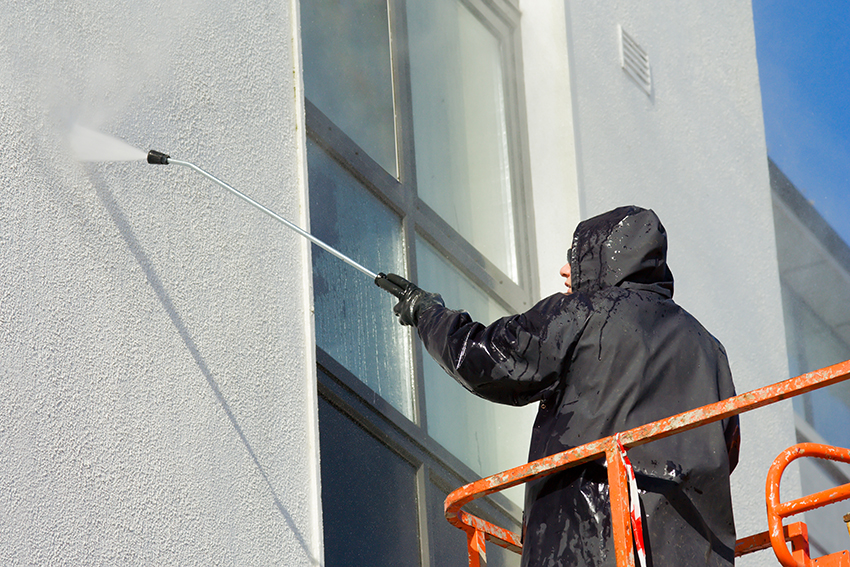
Why Pressure Washing is a Bad Idea
- Water Intrusion:
- EIFS is designed to repel water on the surface, but the system can be easily compromised if water penetrates through cracks, joints, or improperly sealed areas. Pressure washing can force water into the system, causing moisture buildup inside the wall, which can lead to mold growth, rot, and structural damage.
- Surface Damage:
- The textured surface of EIFS is relatively soft and can be damaged by the high pressure of a power washer. This can strip off the finish coat or create cracks and holes, exposing the underlying insulation or base coat.
- Sealant and Joint Damage:
- The high pressure can weaken or damage sealants around windows, doors, and other joints, further increasing the risk of water intrusion.
- Shortened Lifespan:
- Repeated pressure washing can degrade the finish, causing discoloration, cracks, and the need for costly repairs or replacements.
Safe Cleaning Methods for EIFS
To clean EIFS effectively and safely, follow these steps:
1. Inspect the Surface
- Before cleaning, inspect the EIFS for cracks, holes, or areas where water could penetrate. Repair any damage before proceeding with cleaning.
2. Use Low-Pressure Washing or Gentle Spraying
- If water is needed, use a garden hose with a spray nozzle set to low pressure. Avoid directing water at joints, cracks, or seams.
3. Mild Cleaning Solution
- Mix a mild cleaning solution of water and a non-abrasive cleaner. Avoid harsh chemicals like bleach or acidic cleaners, as they can damage the finish.
- Example solution: 1 gallon of water + 1 cup of mild dish soap or a specialized EIFS cleaner.
4. Soft Brushing
- Use a soft-bristled brush or sponge to gently scrub away dirt, mold, or mildew. Avoid using stiff brushes or abrasive pads that can scratch the surface.
5. Rinse with Care
- Rinse thoroughly with a garden hose using low pressure to remove all cleaning residue. Ensure water does not pool or collect in any areas.
6. Address Stains Carefully
- For tough stains (e.g., algae, mold, or mildew), use a solution with diluted white vinegar or a commercial EIFS-safe mold remover. Apply with a soft brush and rinse well.
7. Drying
- Allow the surface to air dry completely. Avoid cleaning on days with high humidity or imminent rain to prevent water from lingering in the system.
Preventive Maintenance Tips
- Regular Inspections:
- Regularly inspect the EIFS for cracks, gaps, or sealant failures. Prompt repairs can prevent water damage.
- Keep Gutters and Downspouts Clear:
- Ensure proper drainage around the building to prevent water from splashing onto the EIFS.
- Trim Vegetation:
- Keep shrubs, trees, and plants trimmed away from the EIFS surface to prevent dirt, mold, and moisture accumulation.
- Avoid Harsh Chemicals or Abrasives:
- Never use strong solvents, bleach, or abrasive tools that can degrade the EIFS finish.

Key Takeaway
Cleaning EIFS requires a delicate approach to avoid damage. Pressure washing is strongly discouraged because it can lead to water intrusion, surface damage, and costly repairs. Instead, use low-pressure water, mild cleaning solutions, and soft brushes to maintain the finish safely and extend the lifespan of the EIFS.