
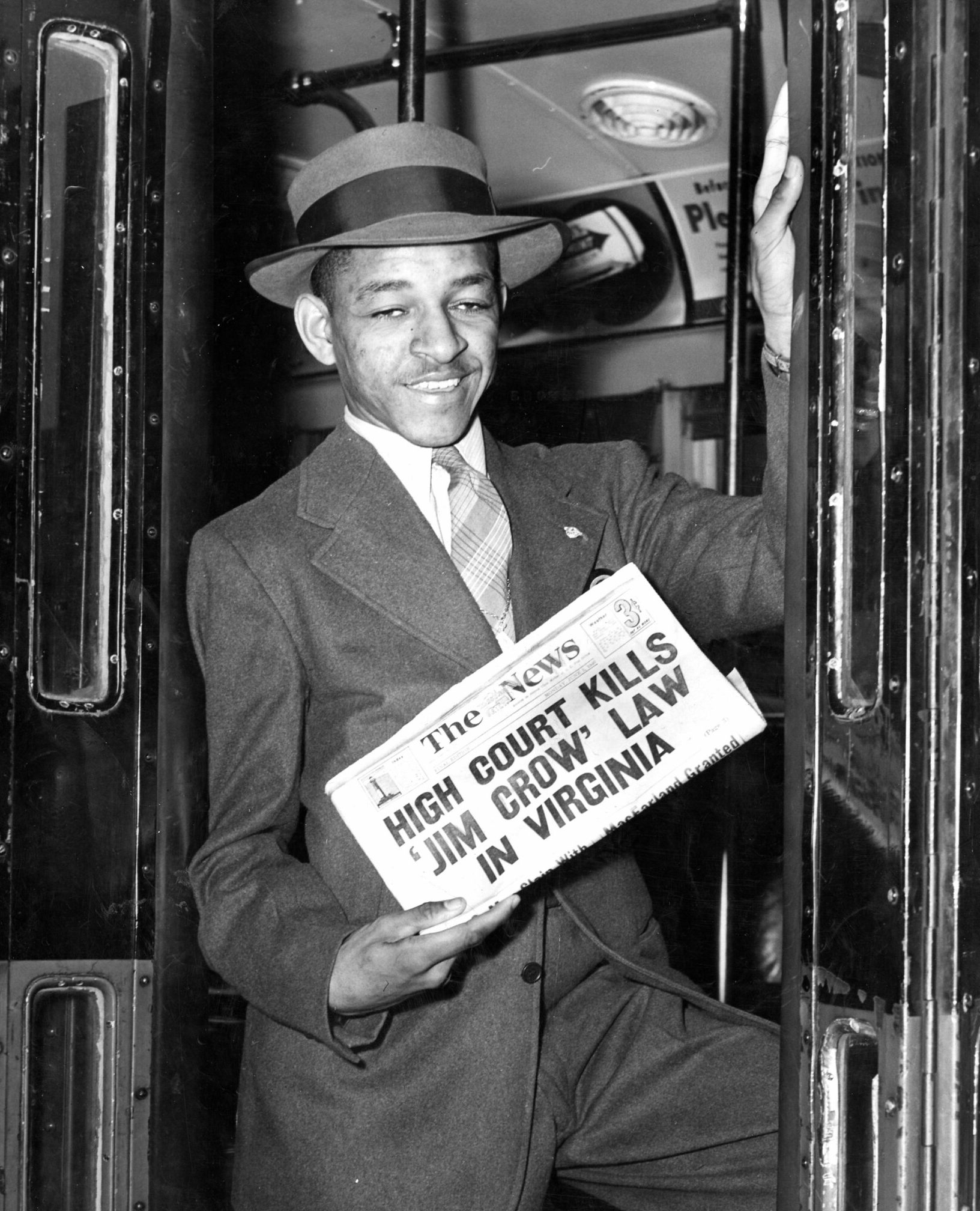
The Jim Crow Laws Never Fully Left — They Just Put on a Suit and Called Themselves Licensing Requirements
In Virginia, the construction industry remains one of the most effective gatekeepers of generational wealth — and minority workers and business owners are still on the wrong side of that gate.
When most people hear “Jim Crow,” they think of segregated water fountains and “Whites Only” signs. Those signs came down. But the economic structures that kept Black and brown families out of wealth-building industries? Many of those are still standing — they just got rebranded.
In Virginia’s construction industry, one of the clearest examples of this legacy is occupational licensing. On its surface, contractor licensing sounds neutral — a way to protect consumers and ensure quality work. But look at who these requirements actually burden, and the picture changes fast.
The numbers tell the story
Minority-owned businesses make up over a third of all U.S. businesses — yet they receive a drastically disproportionate share of contracting dollars. According to a White House Council of Economic Advisers report, these gaps have not meaningfully improved since the 1990s. In regions with higher measured racial bias, the disparities are even wider.
That’s not a gap — that’s a wall. And discrimination isn’t a relic. It’s a current event.
What Virginia’s licensing system actually demands
To legally do construction work in Virginia — even a single job over $1,000 — you must be licensed through the Department of Professional and Occupational Regulation (DPOR). Here’s what that really means for someone trying to start a small business from the ground up:
“State-imposed barriers to entrepreneurial opportunities exclude from competition those outside the economic mainstream, primarily Blacks and other minorities. In many cases, such laws are an enduring relic of the Jim Crow era.”
— Economic analysis on occupational licensing and civil rightsThat quote isn’t from a radical pamphlet. It’s from published economic scholarship. The connection is well-documented — these licensing laws proliferated after formal segregation ended, filling the void left by explicit racial exclusion with race-neutral rules that had the same effect.
The wealth connection is direct
Construction and contracting are not just jobs — they’re one of the primary ways working-class families build generational wealth. A licensed contractor can grow a business, hire employees from their community, win government contracts, and pass something real down to the next generation.
An unlicensed one faces fines of up to $500 per day and criminal misdemeanor charges.
For Black and Latino families in Virginia — communities that were systematically locked out of homeownership through redlining, excluded from FHA loans, and barred from trade unions for most of the 20th century — the licensing wall in construction is one more inherited obstacle stacked on top of all the others. These effects didn’t fade when the laws changed. They compounded.
What fair reform looks like
This is not a call to eliminate contractor licensing. Consumer protection matters. But we can demand the system be honest about who it burdens — and fix it:
-
Subsidized licensing pathways for small, minority-owned contractors — covering exam fees, coursework, and application costs so upfront money is never the reason a skilled person can’t get licensed.
-
Alternative experience verification that recognizes informal trade work, community-taught skills, and non-union apprenticeships as legitimate — because they are.
-
Criminal record reform that evaluates whether a conviction is actually relevant to the trade, rather than blanket disclosure requirements that disproportionately disqualify Black applicants.
-
Stronger Disadvantaged Business Enterprise (DBE) goals on state and local contracts — research directly ties these to reduced racial gaps in who gets contracting dollars.
This is a local issue. Start local.
If you’re a contractor, advocate, or just someone who’s had enough — contact your Virginia delegate, attend DPOR public comment periods, and support organizations pushing for equitable licensing reform. The construction industry built this country. It’s time the rules reflect who actually did the work.